


Why Military Readiness Must Scale Faster Than Modern Threats
As military operations become more complex and technology evolves faster, traditional training systems face growing scalability challenges. Discover how XR-enabled training helps defence organizations improve readiness, reduce bottlenecks, and prepare personnel more effectively for modern operational demands.
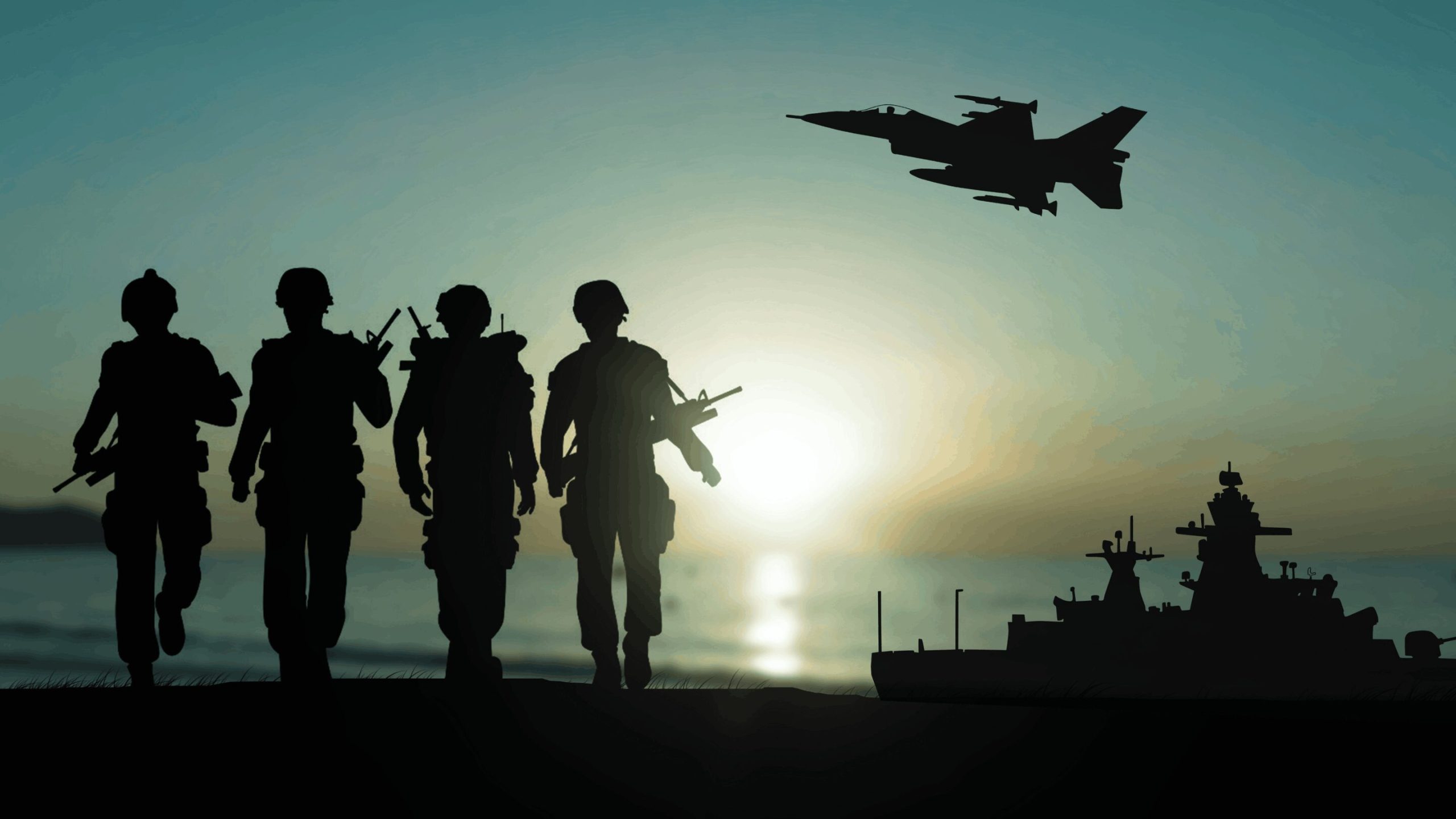
Military readiness is no longer limited by equipment alone.
It is increasingly limited by how fast organizations can train, adapt, and prepare personnel for rapidly evolving operational environments.
Across NATO and allied defence structures, armed forces are facing a new operational reality:
- expanding force structures
- accelerated technology cycles
- increasing system complexity
- instructor shortages
- multinational coordination demands
- compressed preparation timelines
At the same time, modern conflicts continue to demonstrate how quickly operational conditions can change — often faster than traditional training systems can adapt.
This creates a growing readiness gap.
Not because organizations lack commitment or capability.
But because legacy training structures were never designed for the speed, scale, and adaptability modern defence environments now require.
The Scalability Problem in Military Training
Traditional military training models remain heavily dependent on:
- centralized infrastructure
- physical equipment availability
- instructor capacity
- fixed training schedules
- travel and logistics
- location-bound exercises
These approaches have delivered value for decades.
But they also create structural bottlenecks when organizations must rapidly scale competencies across larger and more distributed forces.
As operational systems become more complex, training timelines increase while instructor resources remain limited. Manual delivery of repetitive foundational skills consumes valuable capacity that could otherwise focus on advanced operational preparation.
At scale, this challenge compounds quickly:
- higher operational costs
- slower qualification cycles
- inconsistent knowledge levels
- reduced flexibility
- limited training throughput
In modern defence environments, this is no longer only a training challenge.
It is a readiness challenge.
Modern Warfare Requires Continuous Adaptation
Operational environments are becoming increasingly dynamic.
Drone warfare, distributed operations, real-time intelligence integration, tactical data fusion, multinational coordination, and rapidly evolving battlefield technologies are fundamentally changing how personnel must prepare for deployment.
Today’s operators are expected to:
- absorb new systems faster
- operate across multiple domains
- coordinate internationally
- make decisions under cognitive pressure
- maintain readiness continuously
- adapt to changing mission environments in real time
This requires training ecosystems that are no longer static.
Training must become:
- scalable
- adaptive
- decentralized
- measurable
- continuously accessible
- operationally realistic
The organizations that can maintain readiness at scale will define operational adaptability in the next decade.
XR Is Becoming Part of Operational Infrastructure
Extended Reality technologies are increasingly evolving from experimental innovation into operational capability infrastructure.
Not because XR replaces real-world training.
But because it enables organizations to prepare personnel earlier, more frequently, more safely, and at significantly greater scale before live deployment.
XR-first training environments allow armed forces and operational organizations to:
- parallelize training capacity
- reduce dependency on physical systems
- standardize learning outcomes
- simulate hazardous scenarios safely
- repeat mission-critical exercises continuously
- improve knowledge retention and operational confidence
Most importantly:
they create the ability to sustain readiness continuously instead of preparing only at isolated training intervals.
This shift becomes especially relevant in areas such as:
- drone operations
- tactical shooting
- mission planning
- tactical driving
- workflow-based field operations
- remote operational support
The future of military training will not be defined solely by realism.
It will be defined by scalability, adaptability, and sustained operational relevance.
Building Scalable Operational Readiness
At YouTrain, we believe future defence readiness requires a new training philosophy:
Operational capability must become continuously trainable.
Our focus is the development of scalable, military-ready XR training systems that support operational preparation across multiple domains — from immersive drone training and tactical driving to collaborative mission planning and workflow-based operational support.
The objective is clear:
- reduce bottlenecks
- increase training accessibility
- improve readiness sustainability
- enable distributed operational preparation
- support resilient force development
Because future readiness will not depend only on acquiring advanced systems.
It will depend on how effectively organizations prepare people to operate them under real operational pressure.
The defence organizations that can train, adapt, and sustain capability faster than emerging threats will shape the next era of operational readiness.
And this transformation has already begun.
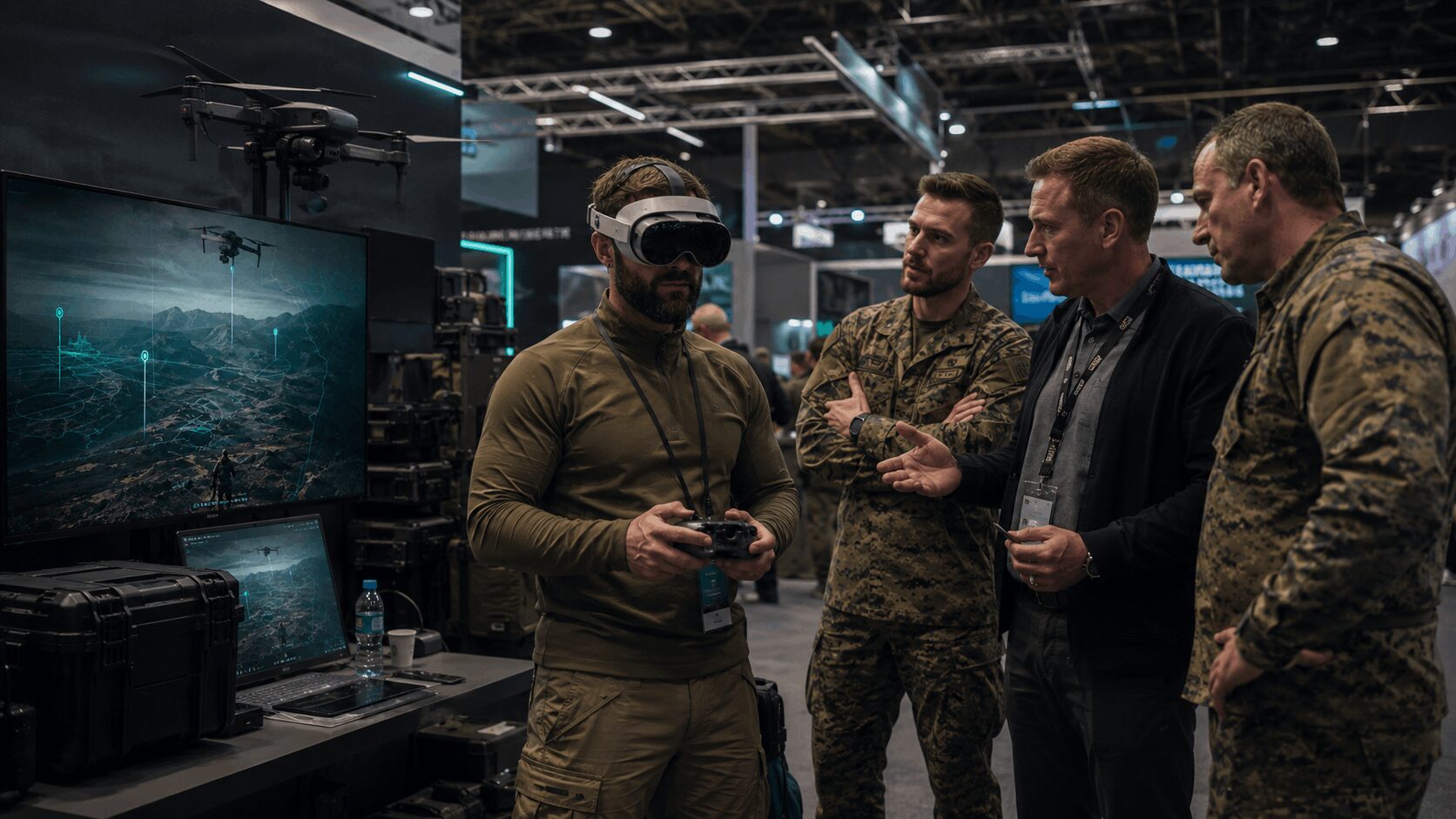
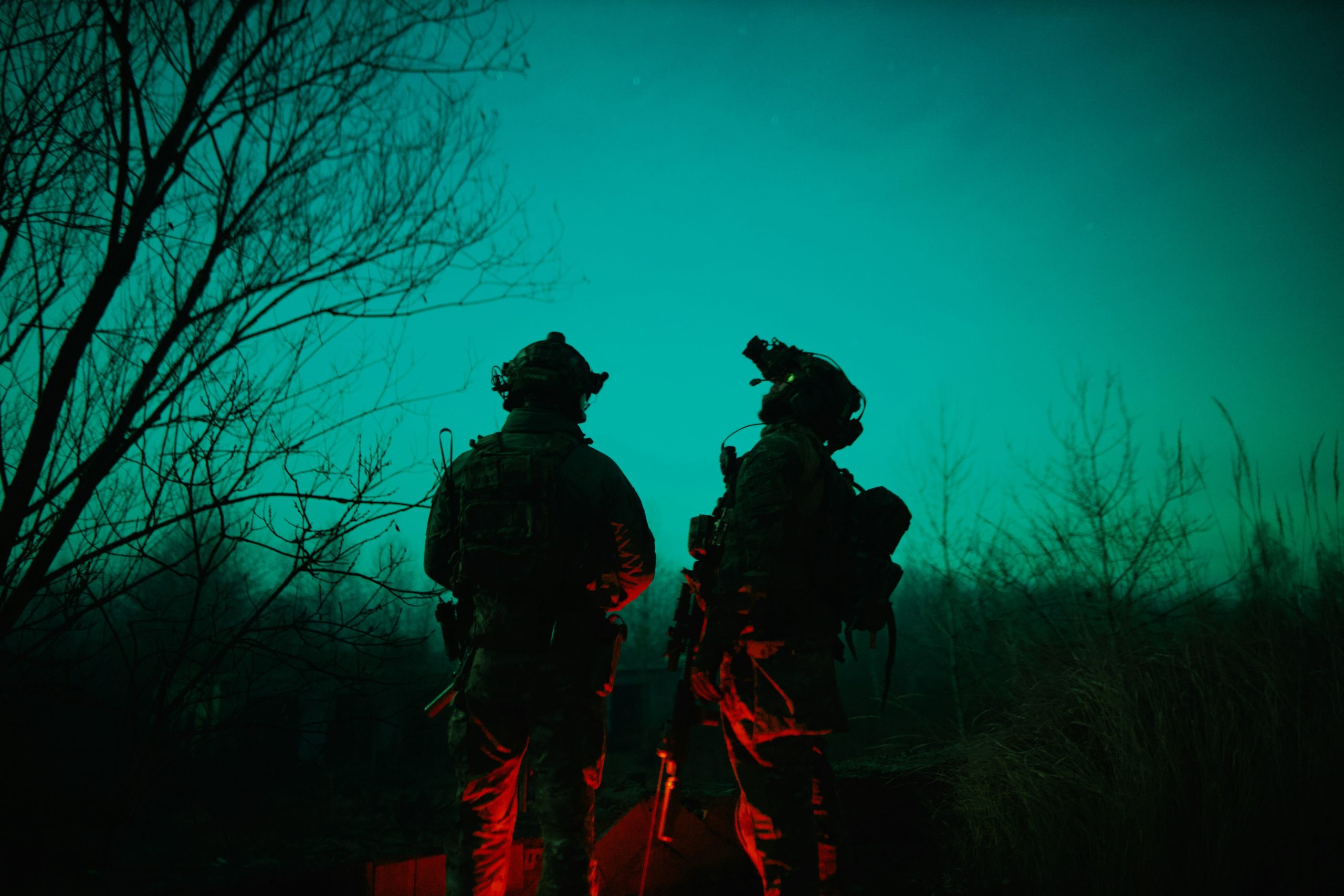
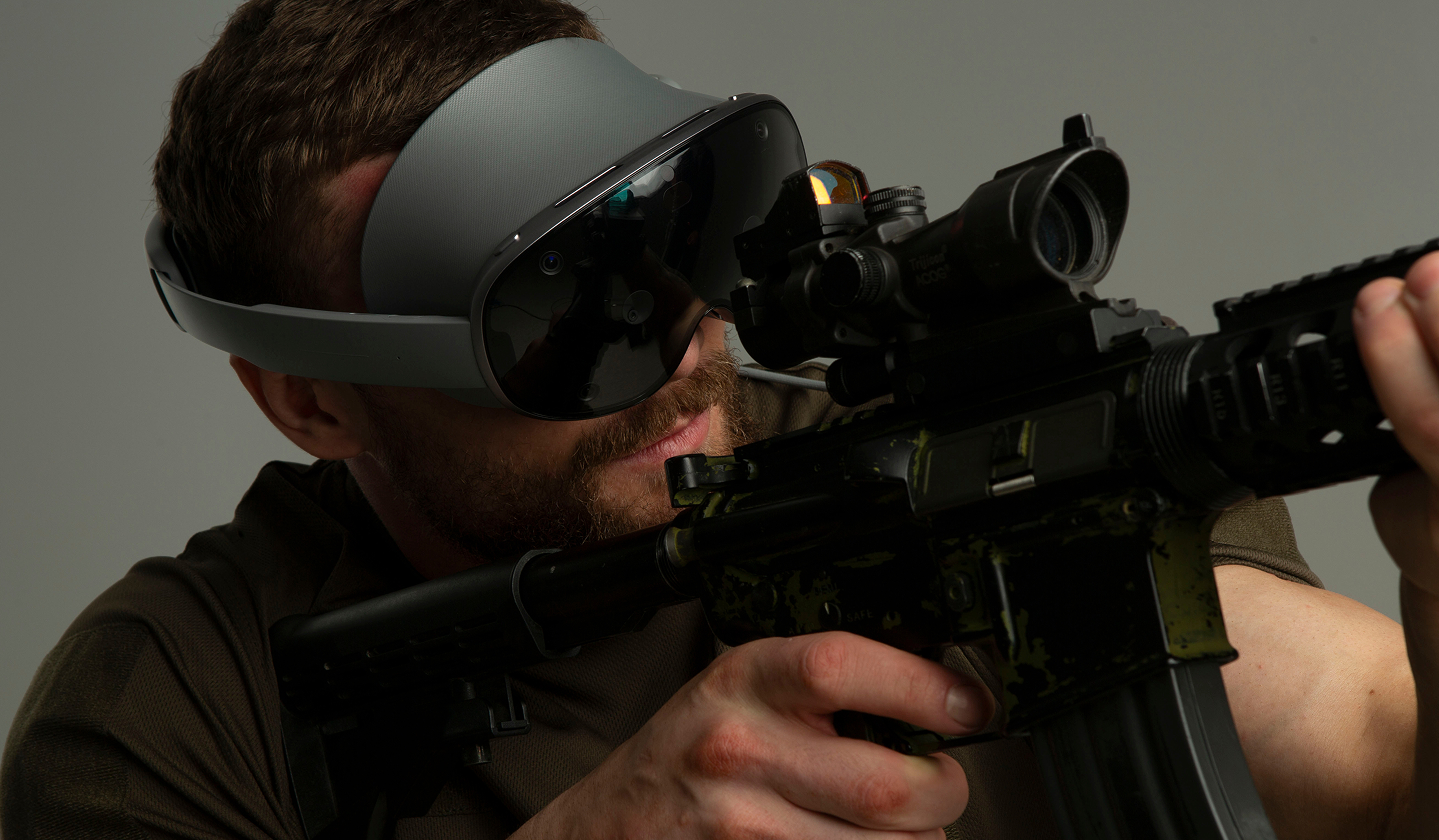
Whether you're exploring technology partnerships, training systems, or operational solutions — we'd love to connect.
Get in Touch